From Tree to Table: Behind the Craft

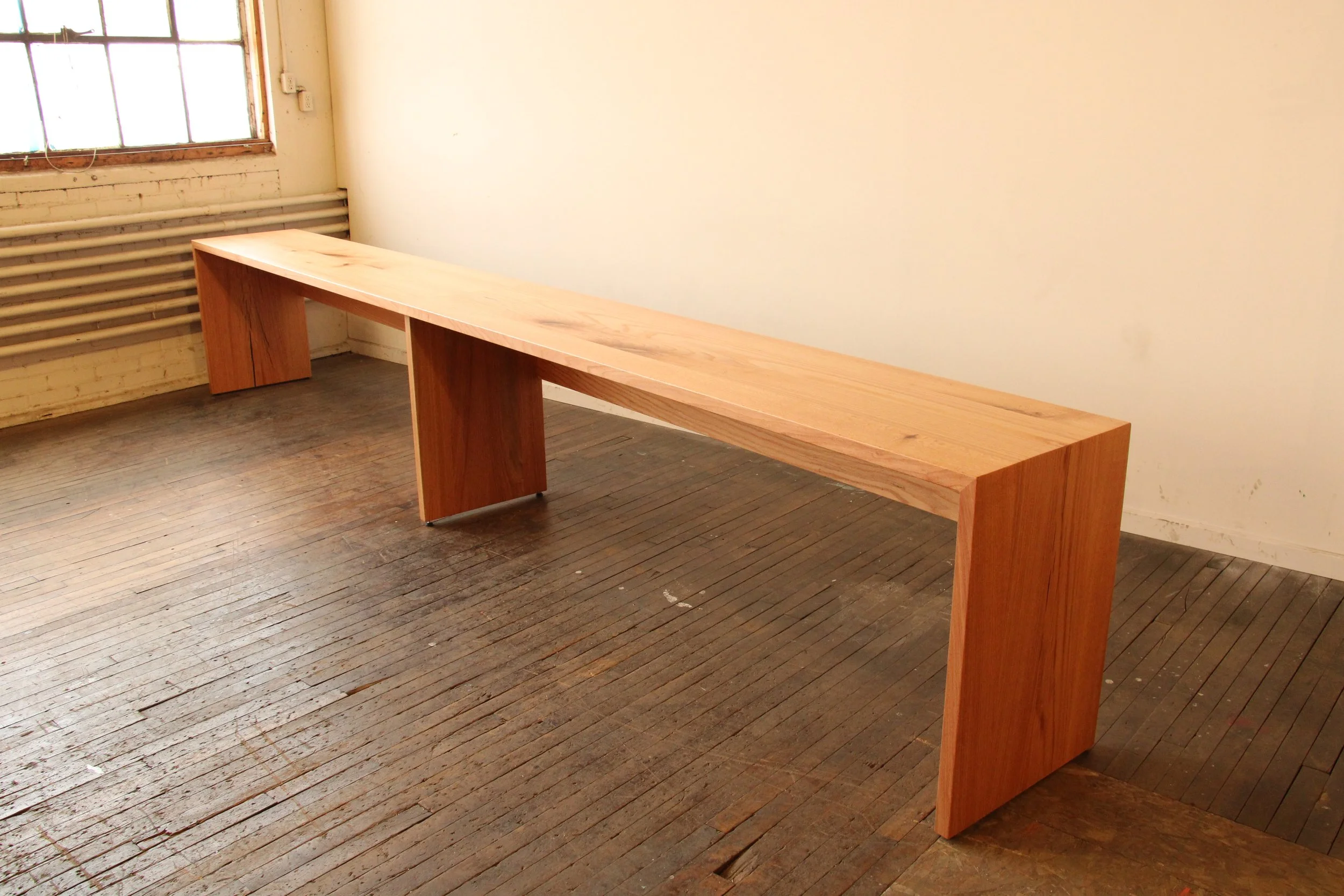
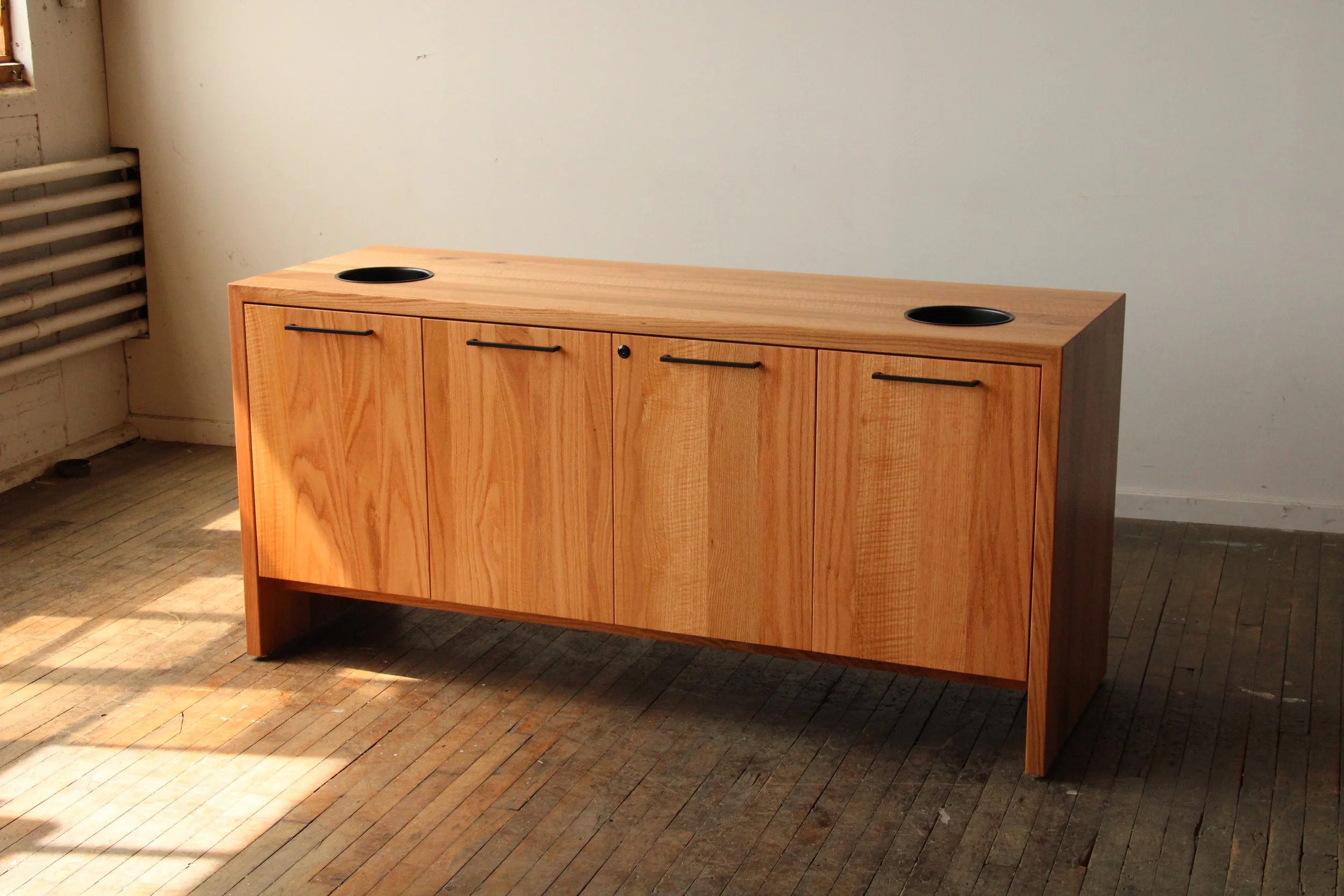
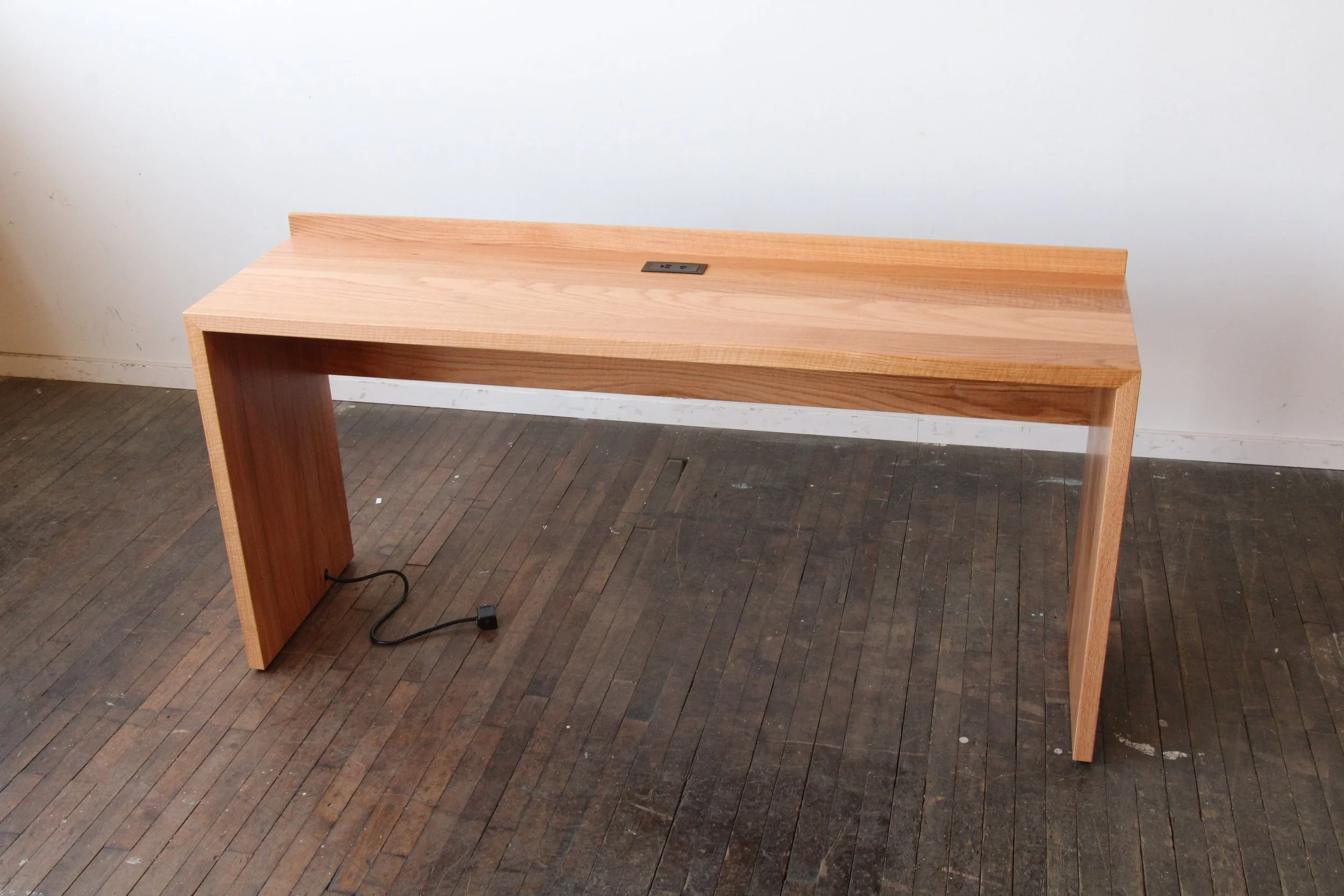
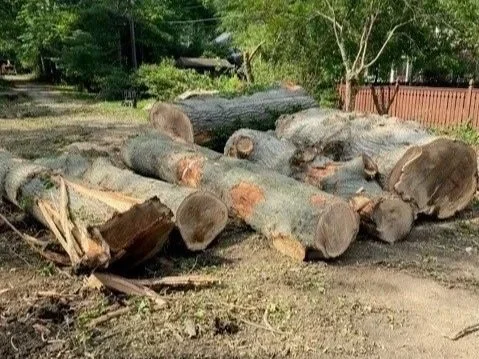
When the Rustbelt team can take part in saving trees from simply being discarded, it means we have the opportunity to give these stationary giants, so vital to a healthy planet Earth, a second life. Transforming them into heirloom-quality furniture is as meaningful as it is functional.
Every piece we craft has an origin but with our Tree to Table program, this sustainability story starts long before any timber reaches our workshop.
Material Matters
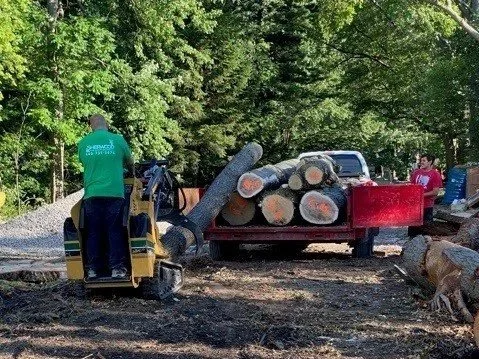
Having knowledge of the history and health of trees that are being considered for Tree to Table from the beginning of the process is crucial. We often work closely with an expert group of arborists and
architects that are involved in examining and vetting trees before removing them a client’s property or project site.
From there, we guide the tree through the following phases:
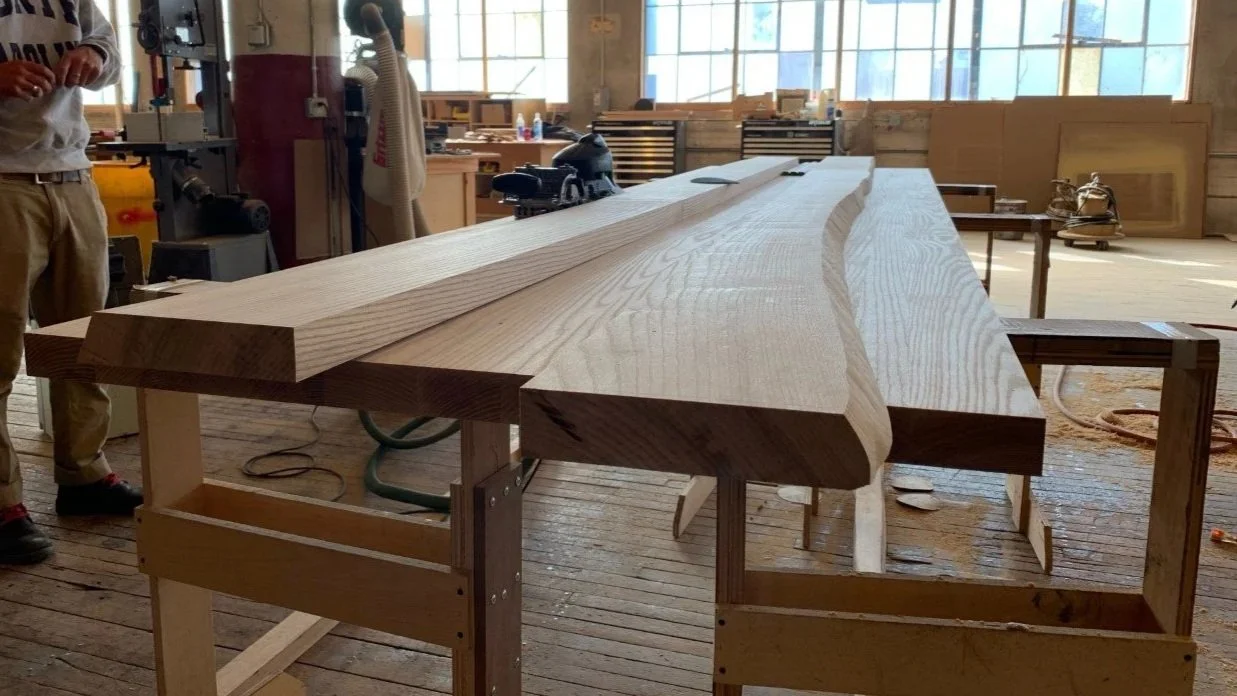
Milling the logs into usable slabs
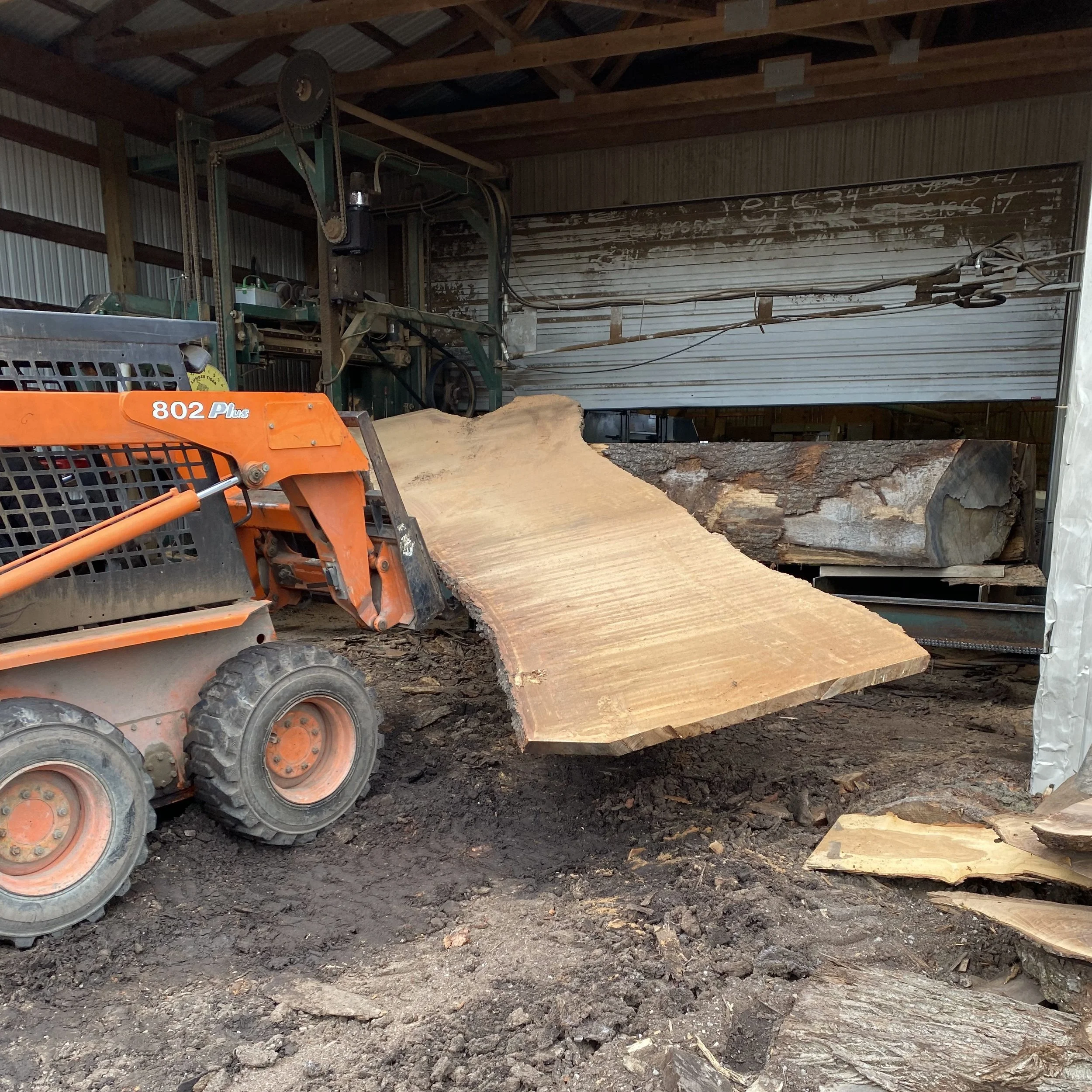
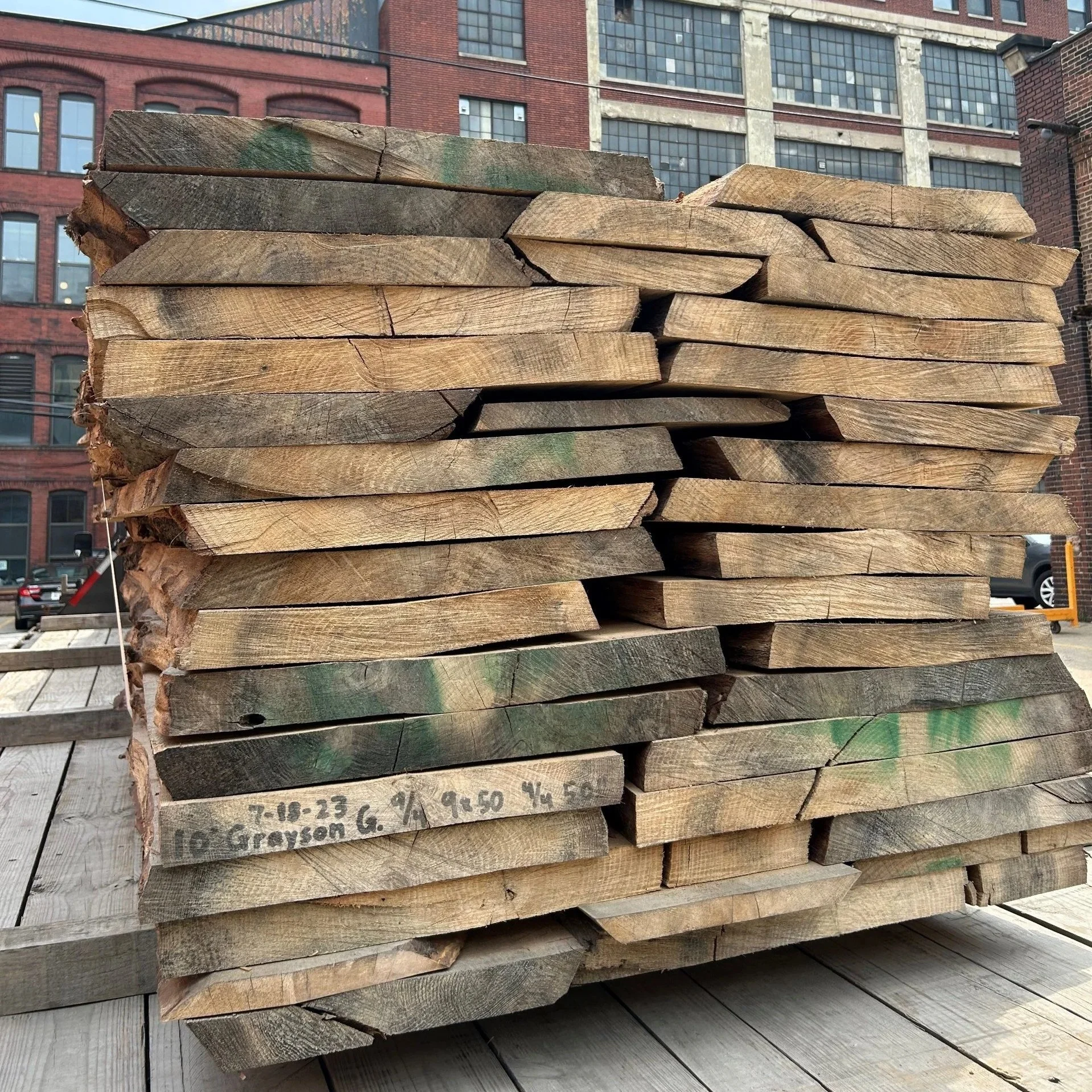
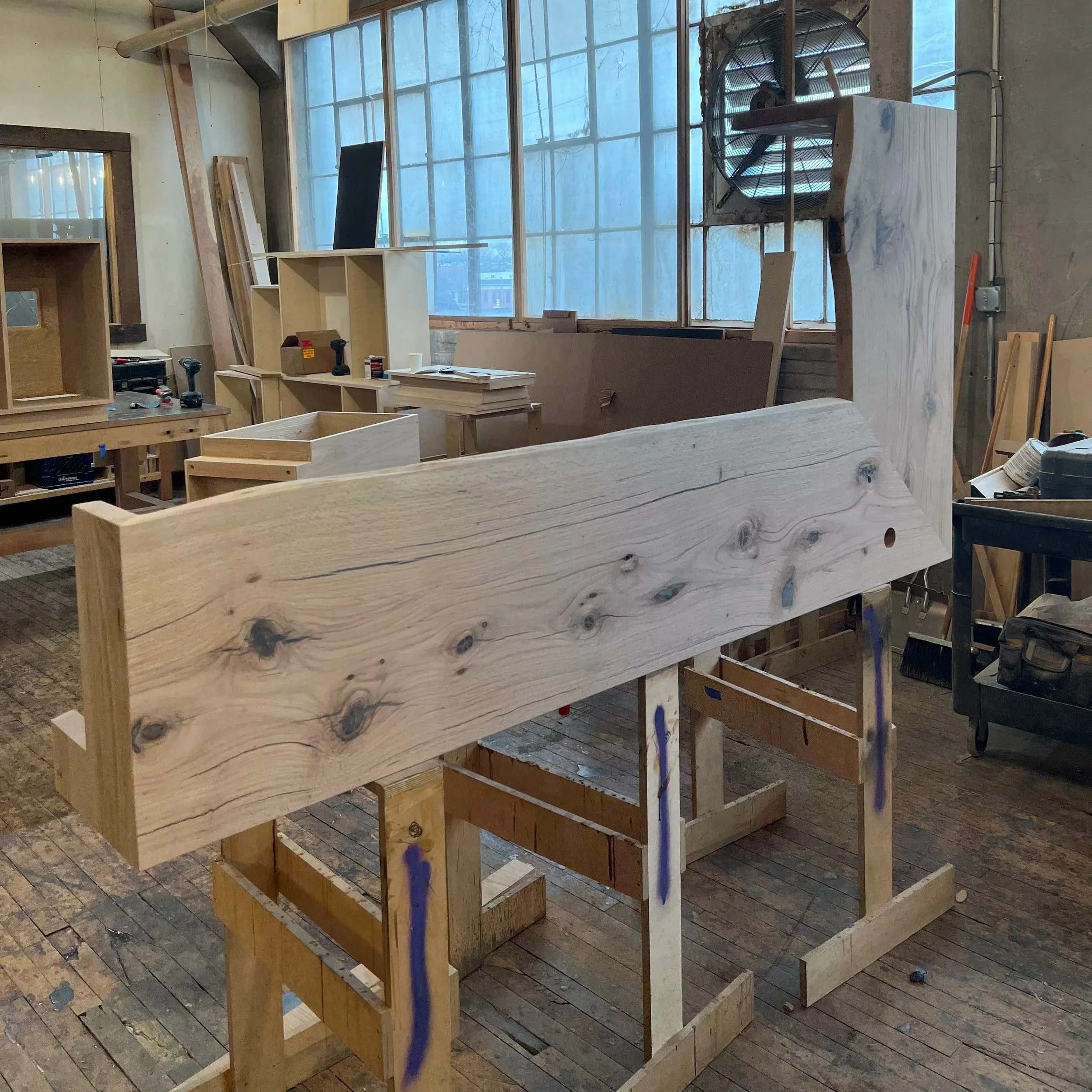
Once the tree is harvested, the first step is carefully milling the logs into slabs that can actually be worked with. This isn’t just about cutting wood, it’s about making strategic decisions that preserve the best grain patterns, natural edges, and structural integrity of each piece. Being involved at this stage allows the team to maximize material yield while protecting the character that makes each slab unique
“When the drying process is underway, we don’t tell the tree when it is ready, the tree tells us.” - Megan Barker
Kiln drying in the best way for the material
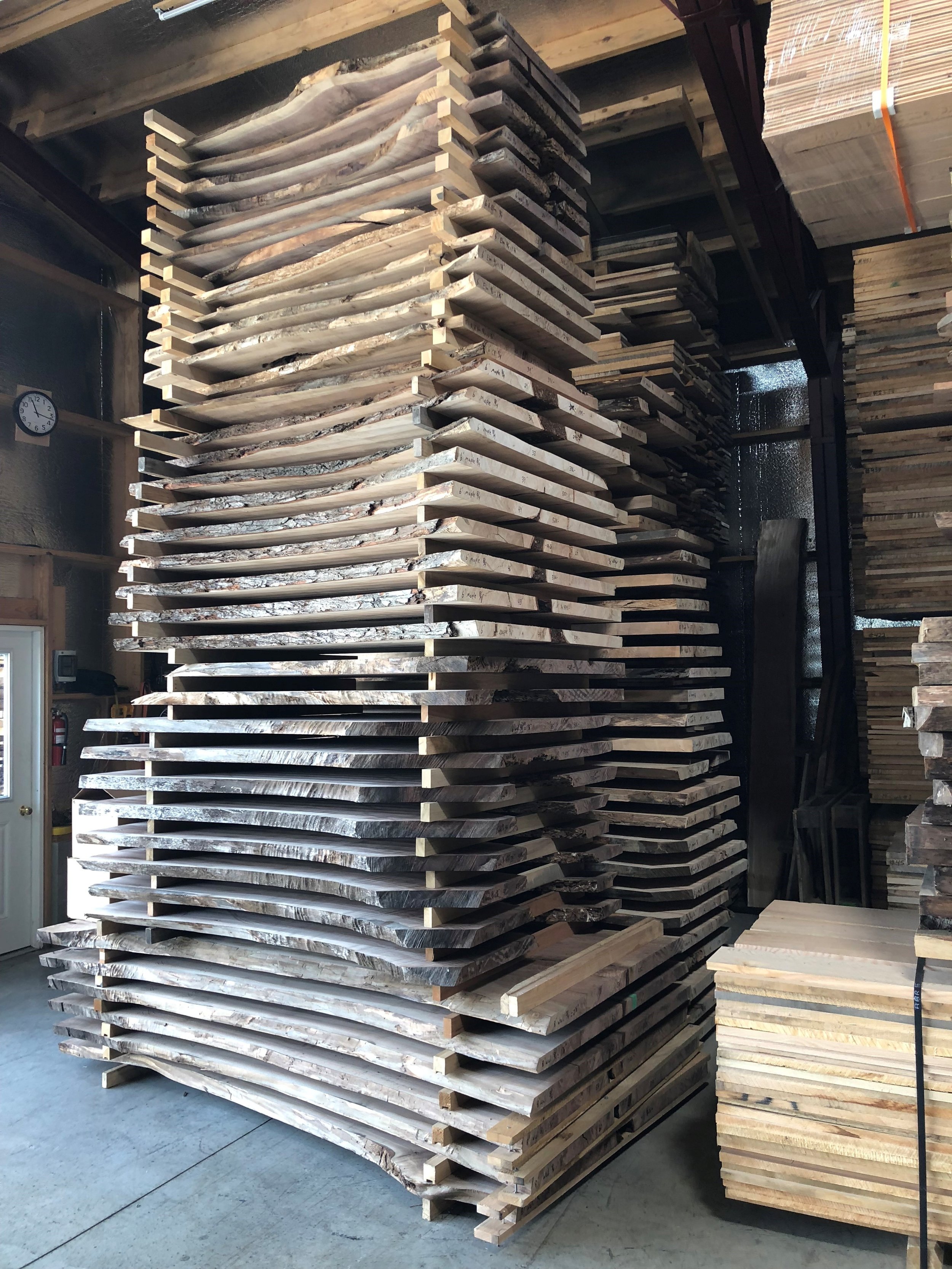
After milling, the slabs are dried slowly and intentionally to stabilize the wood for long-term use. Proper drying isn’t rushed, it’s tailored to the species, thickness, and condition of the material to prevent warping or cracking later on. This step ensures the wood is not only durable, but ready to perform reliably in its final environment.
Designing around the natural character of the wood
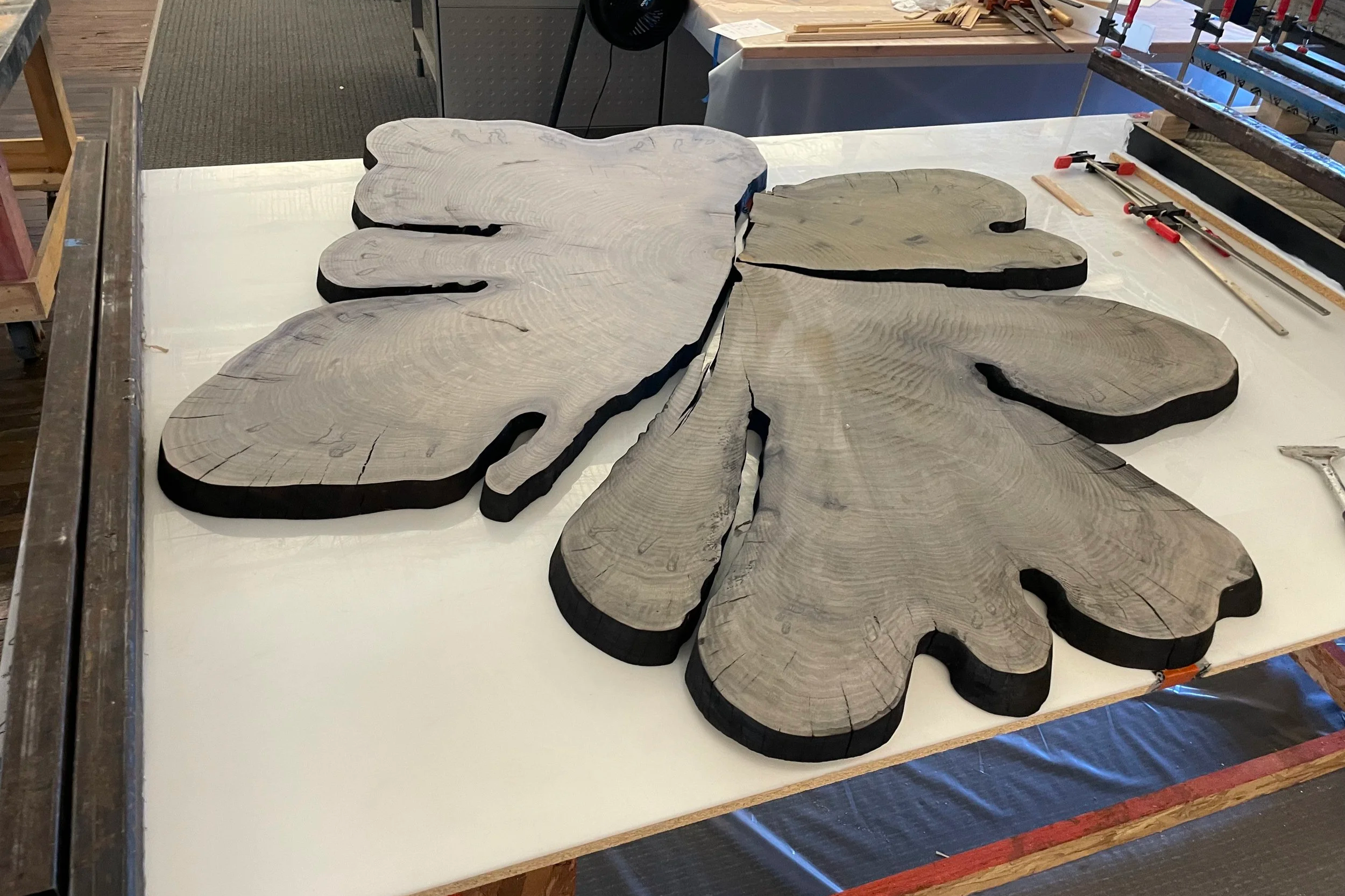

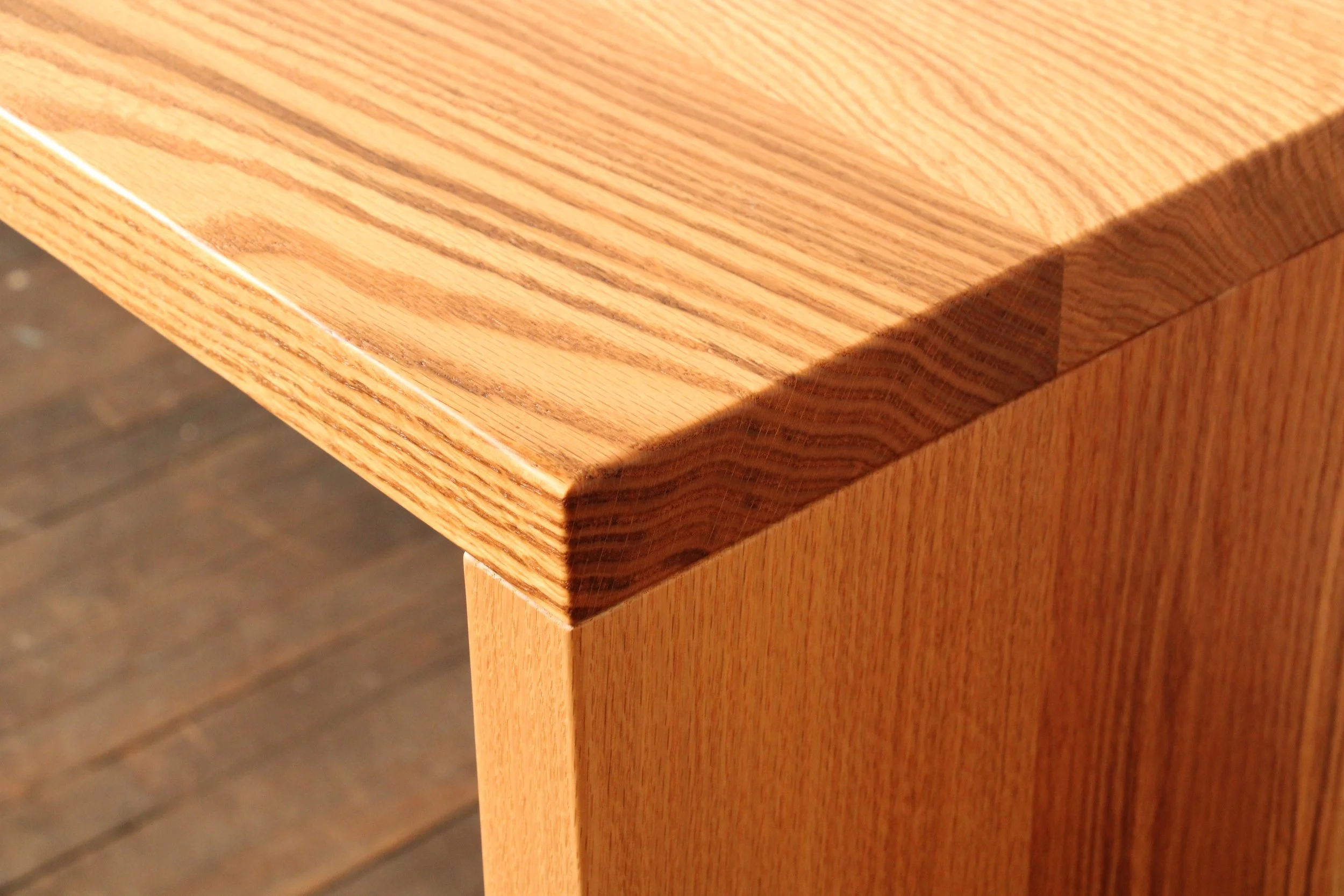
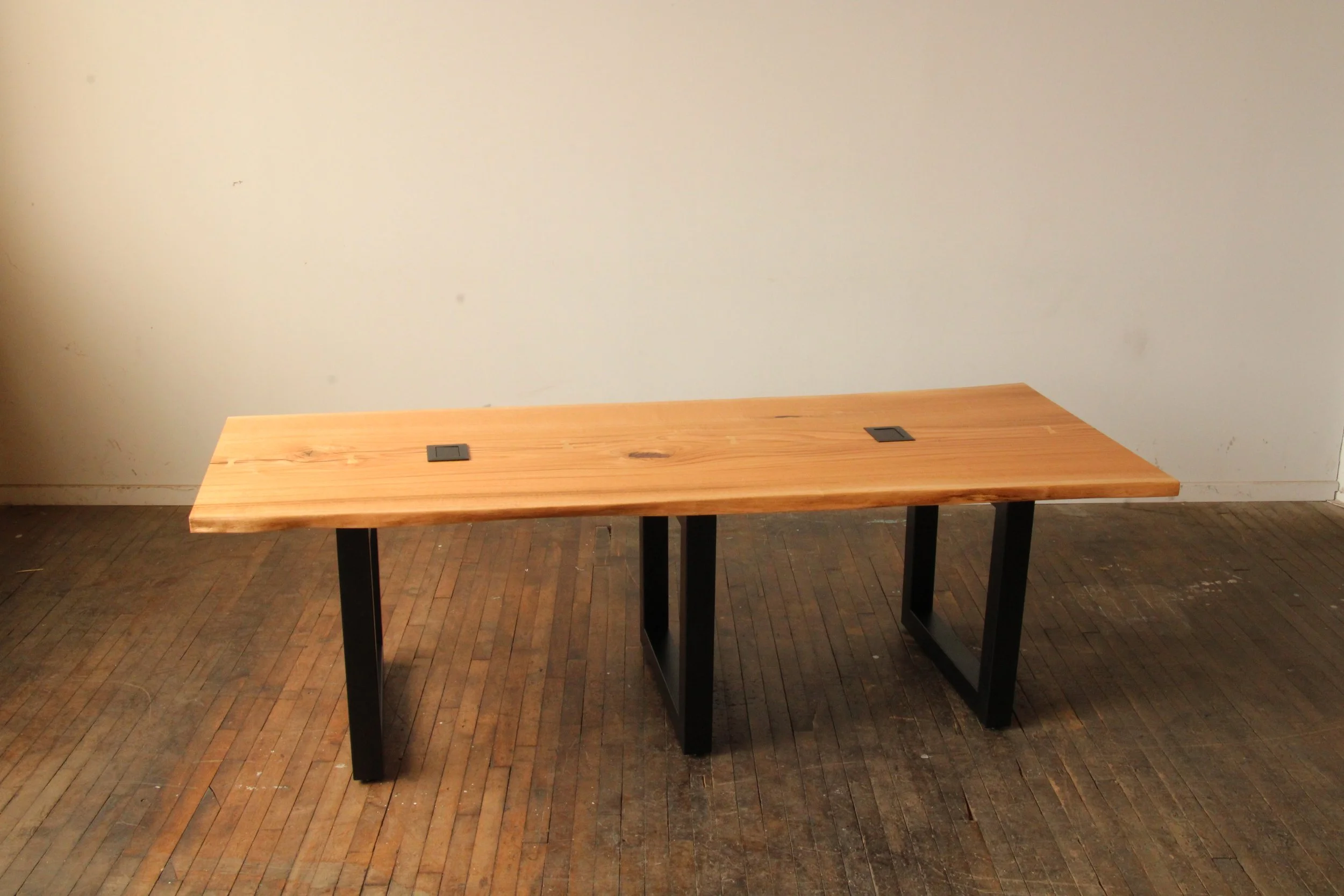
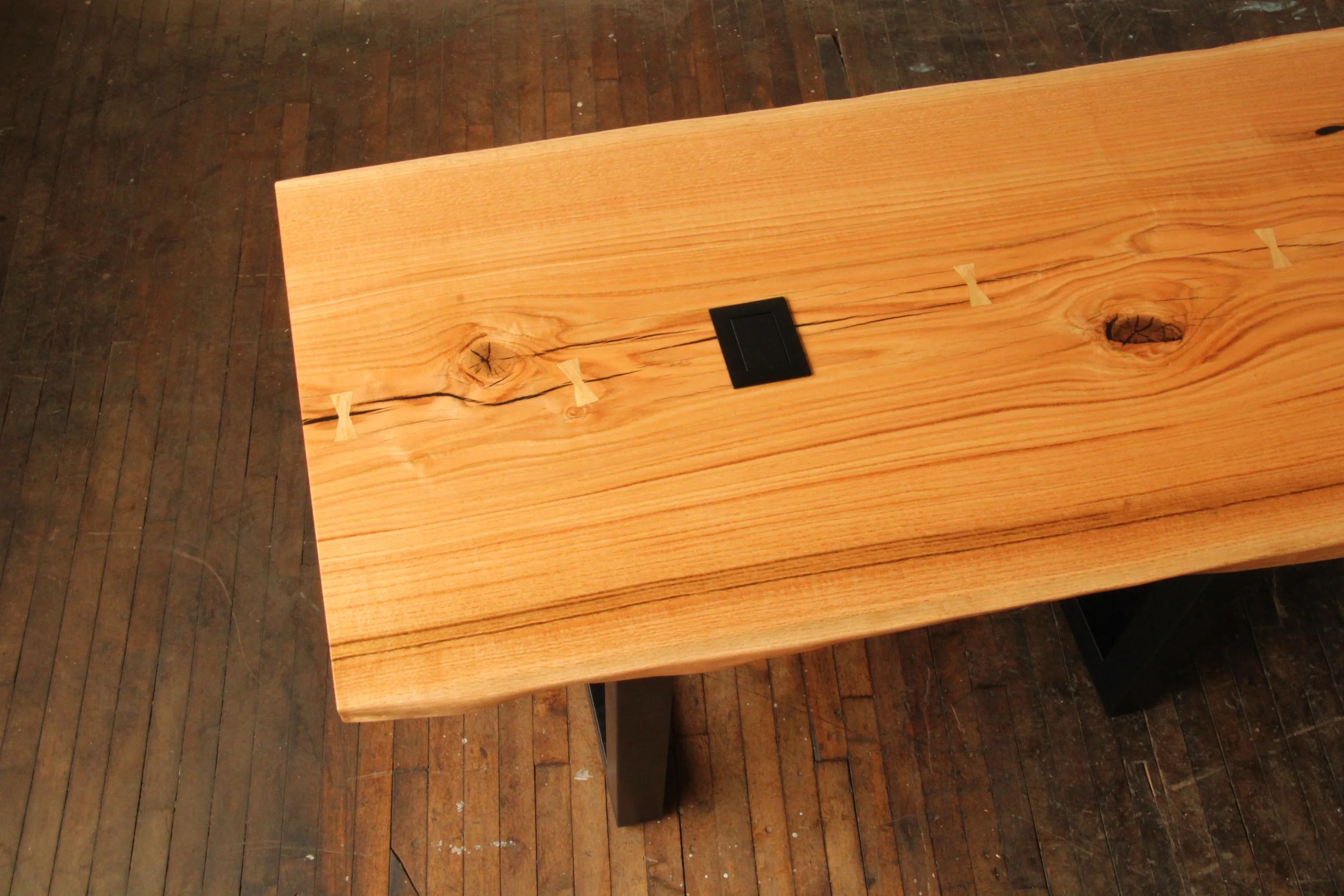
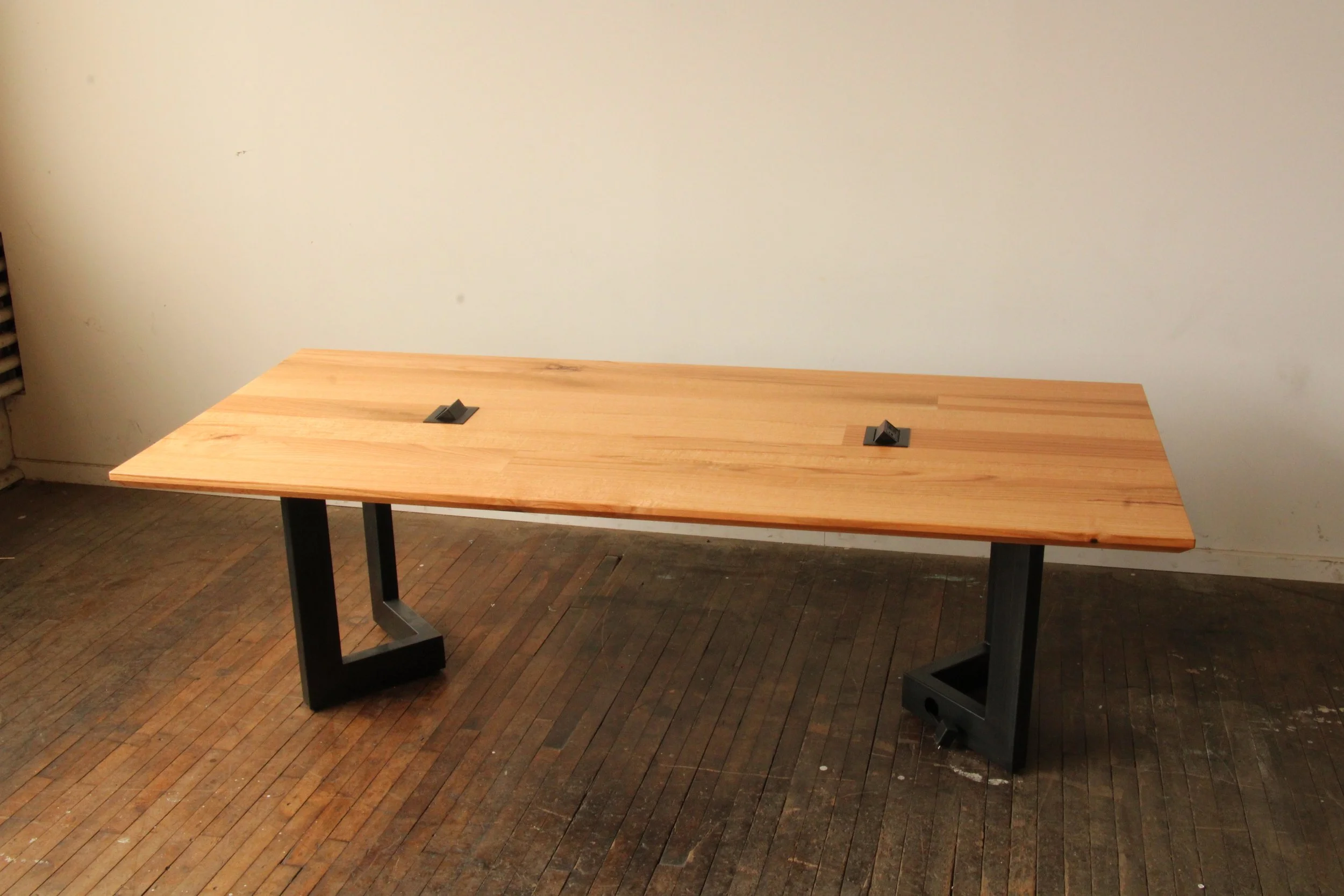
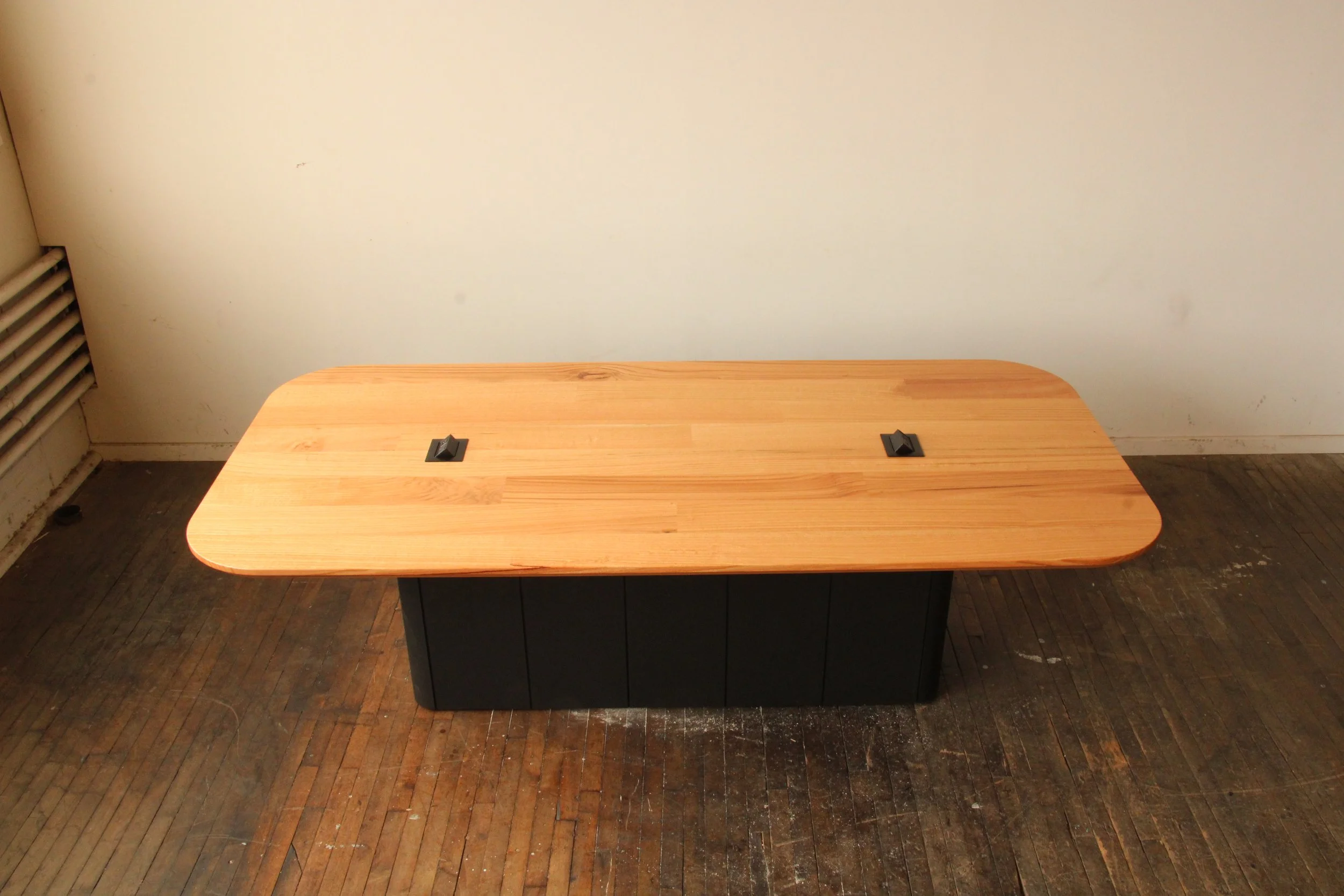
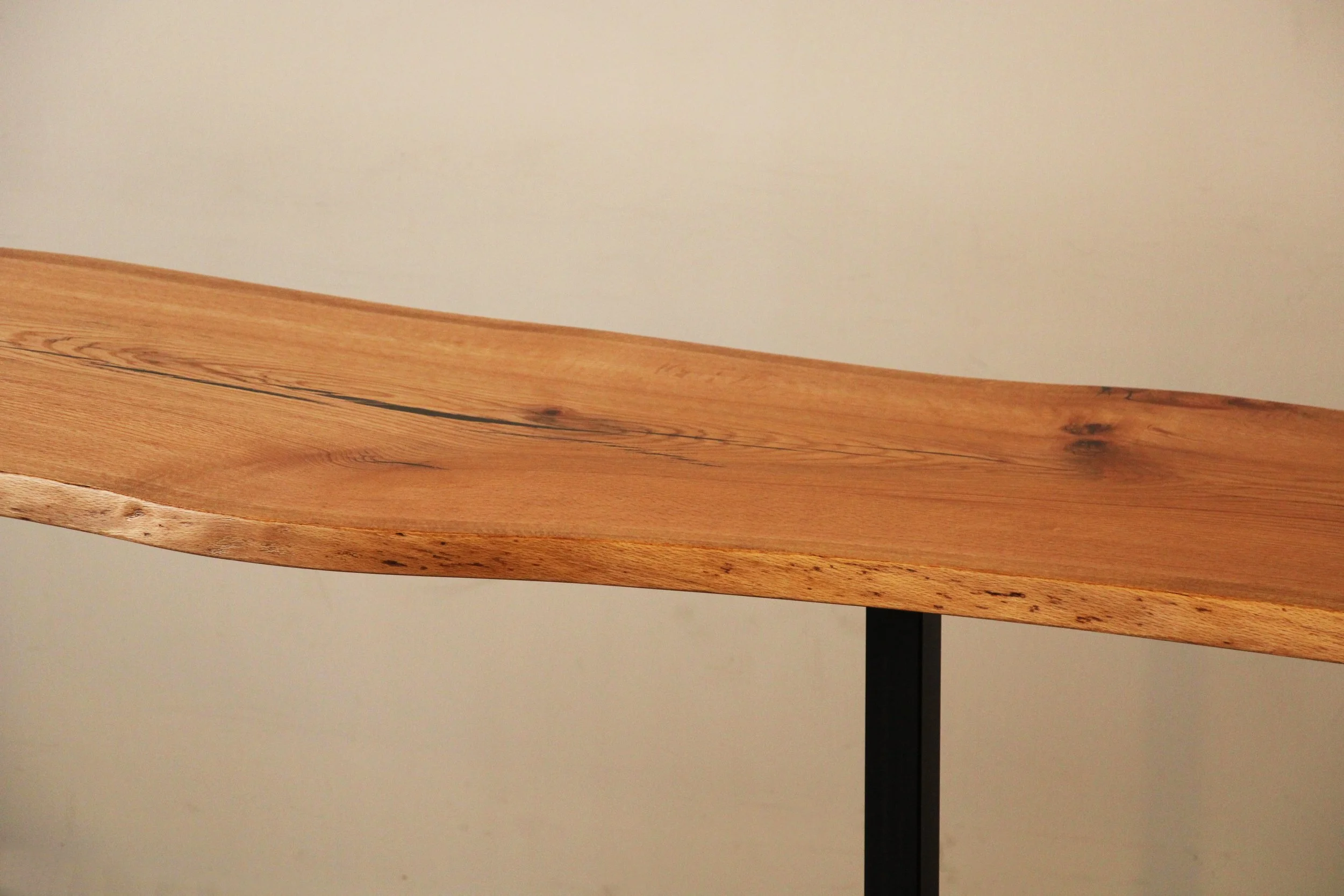
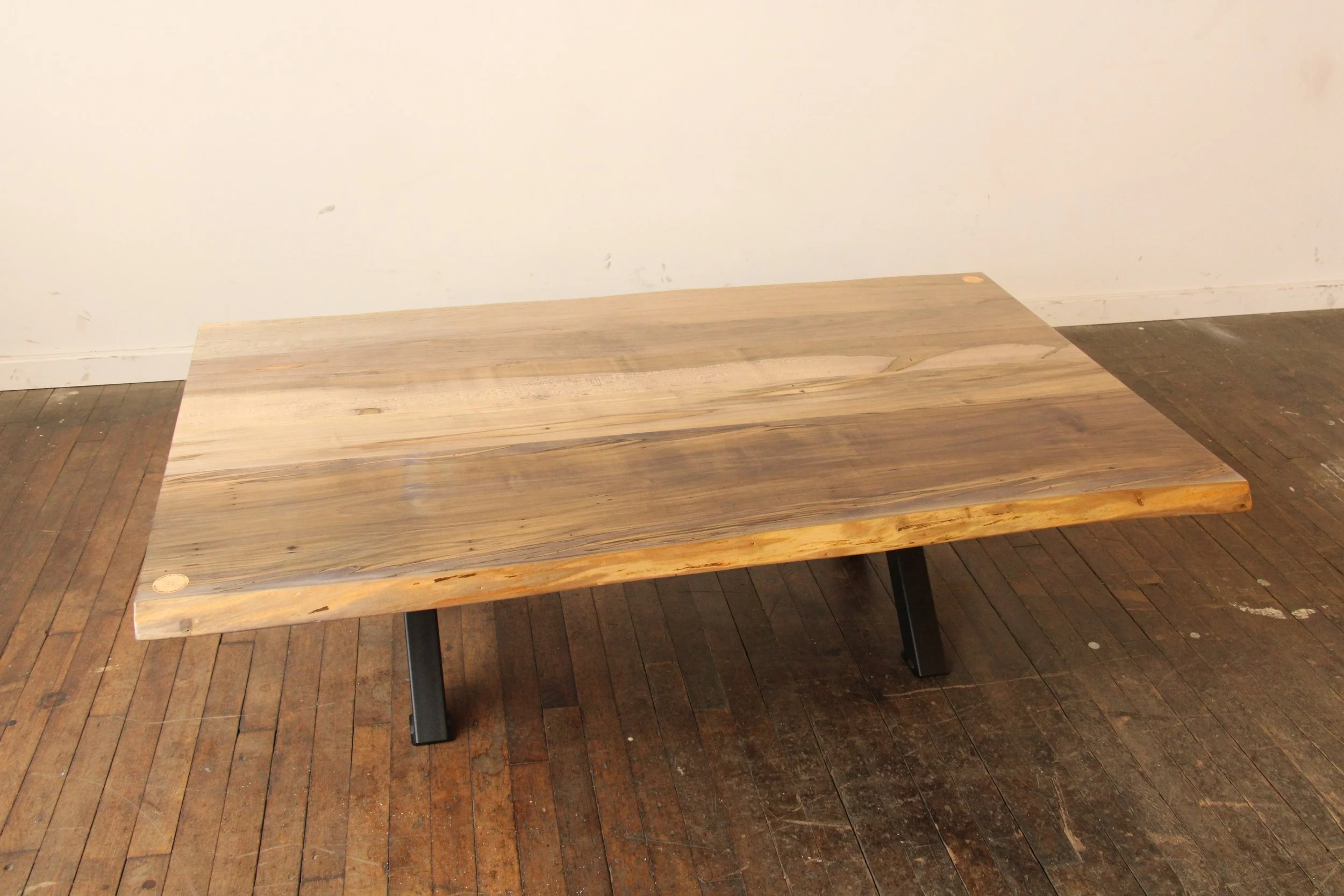
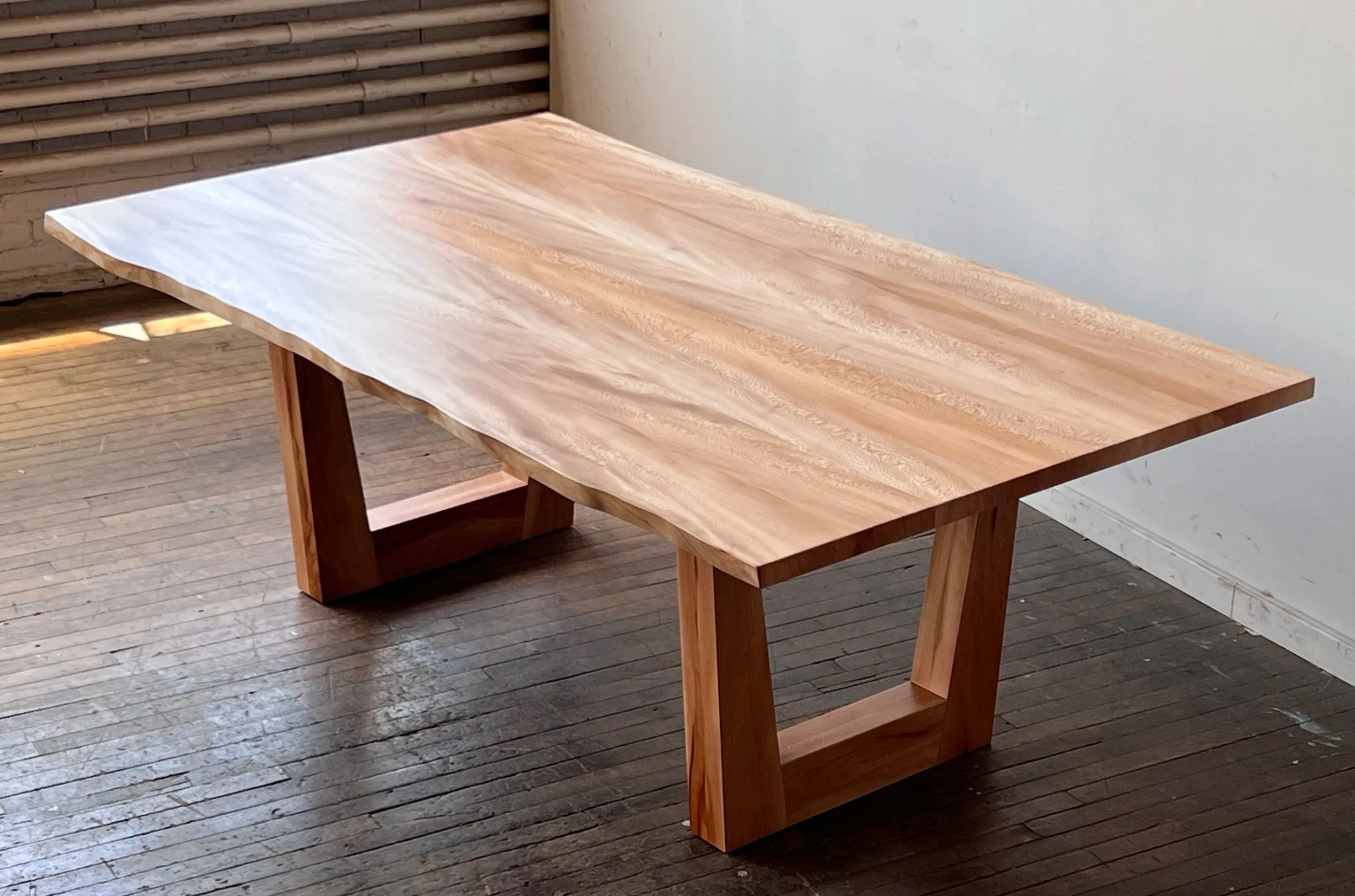
Grain patterns, knots, live edges, and variation become the foundation for the piece, not imperfections to hide. This approach results in designs that feel organic and one-of-a-kind, shaped as much by the tree as by the maker.
Building and installing the final piece
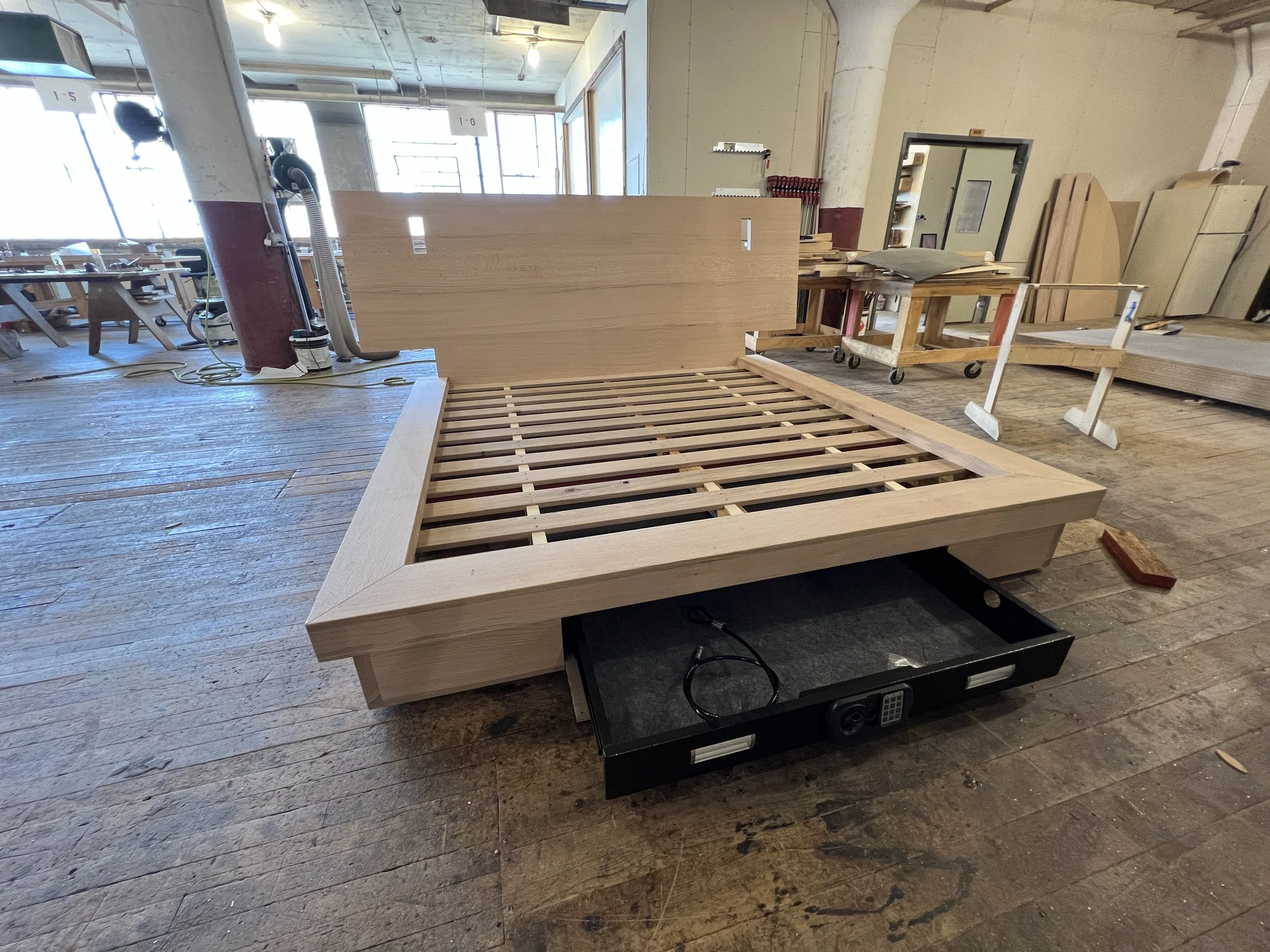
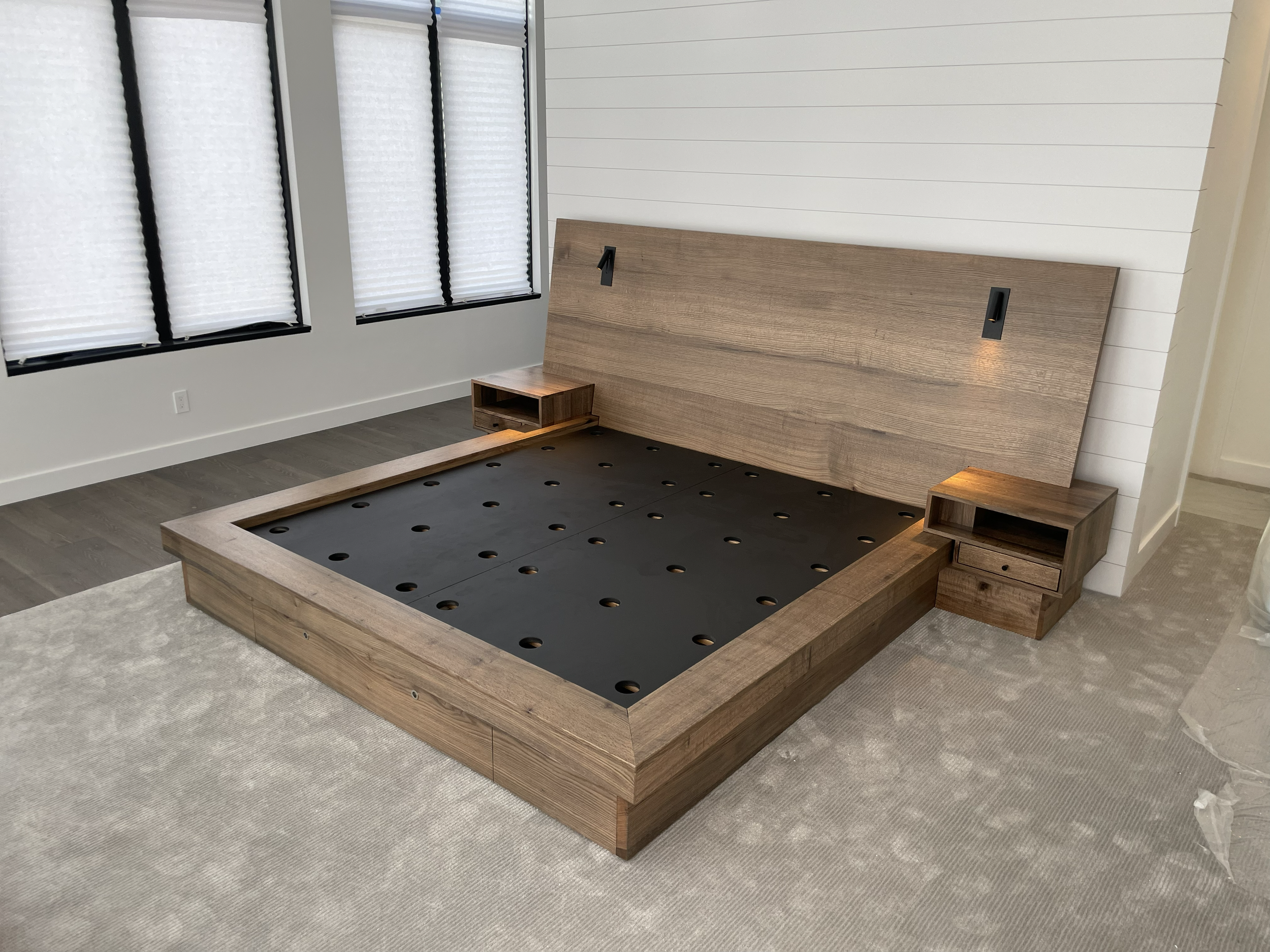
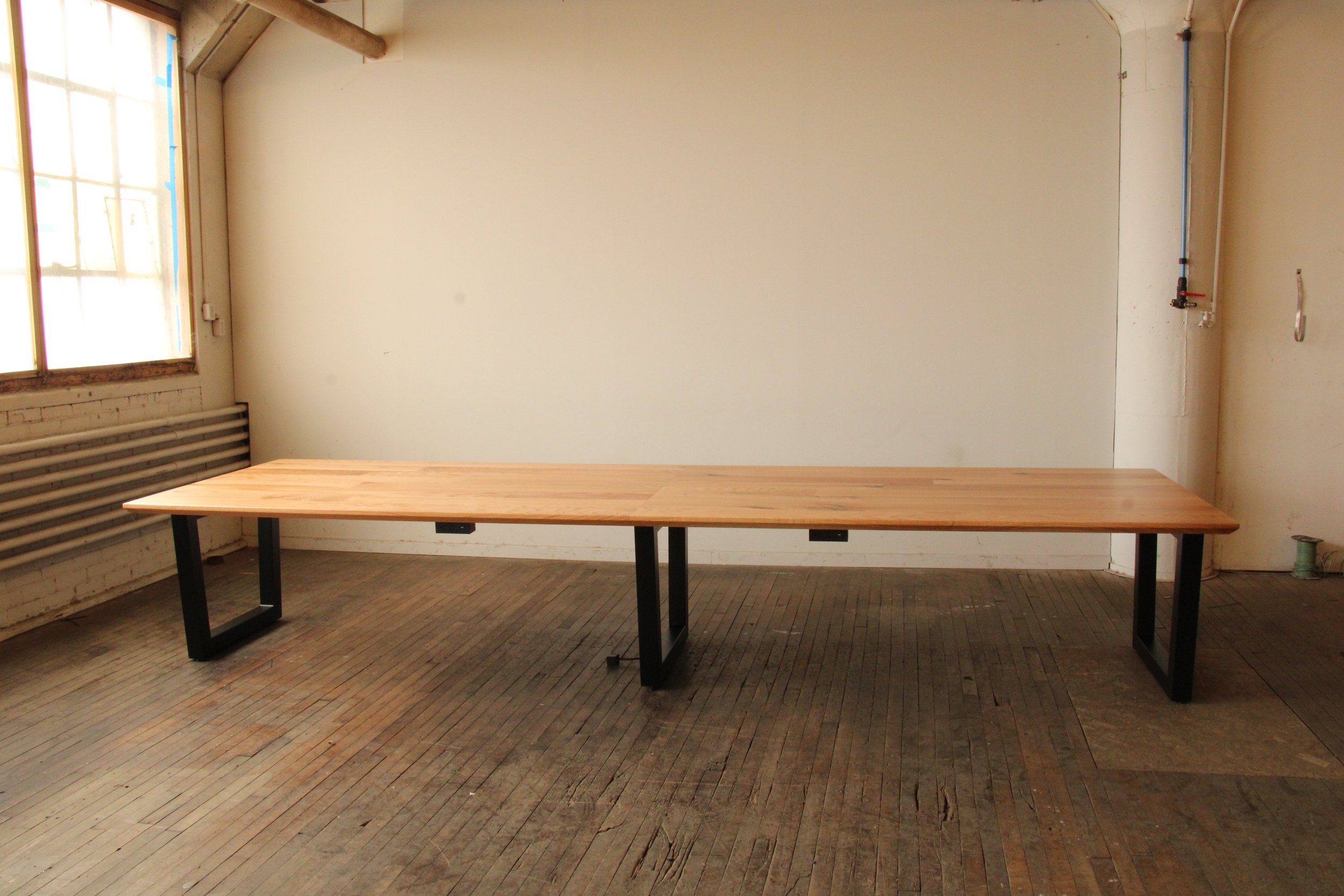
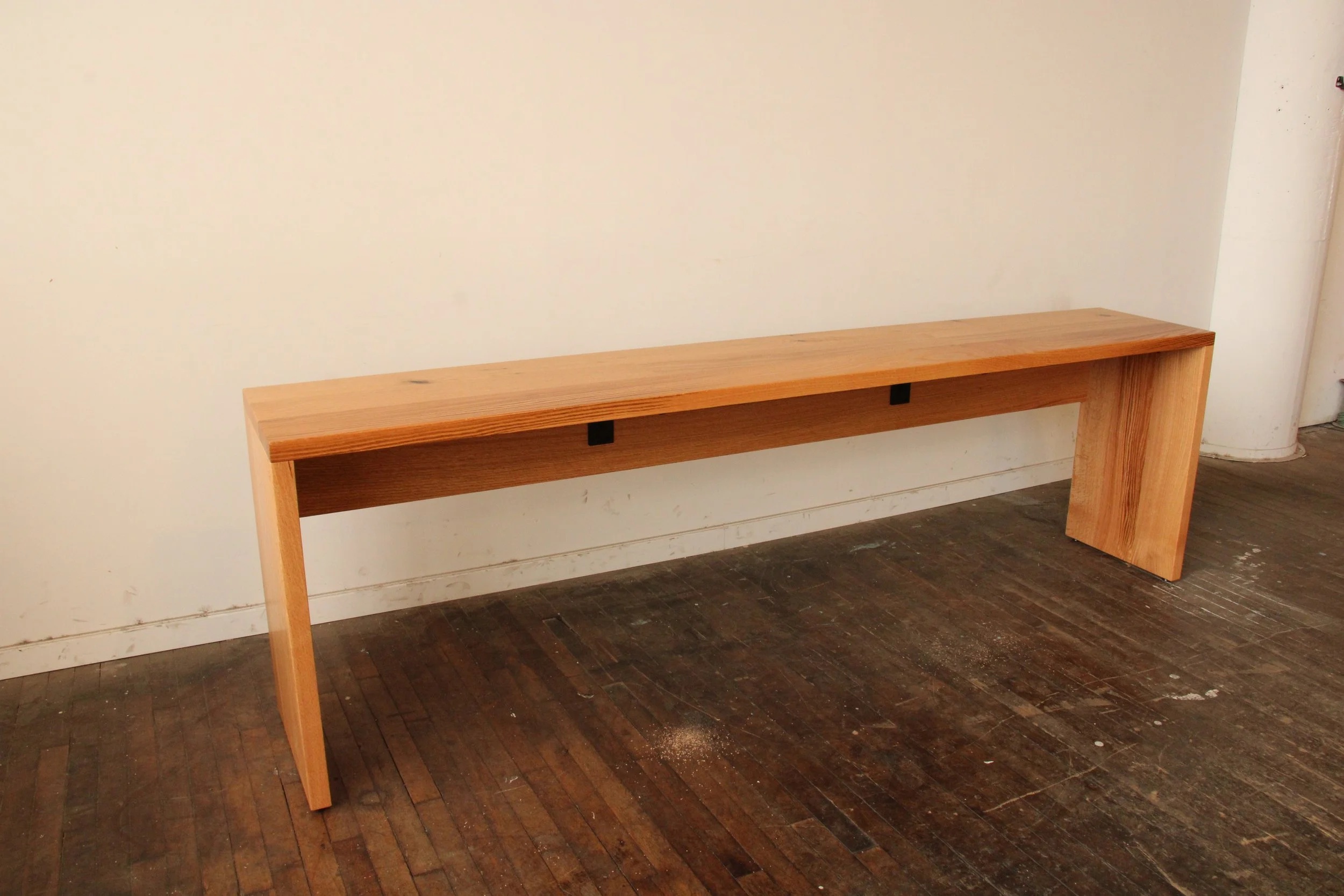
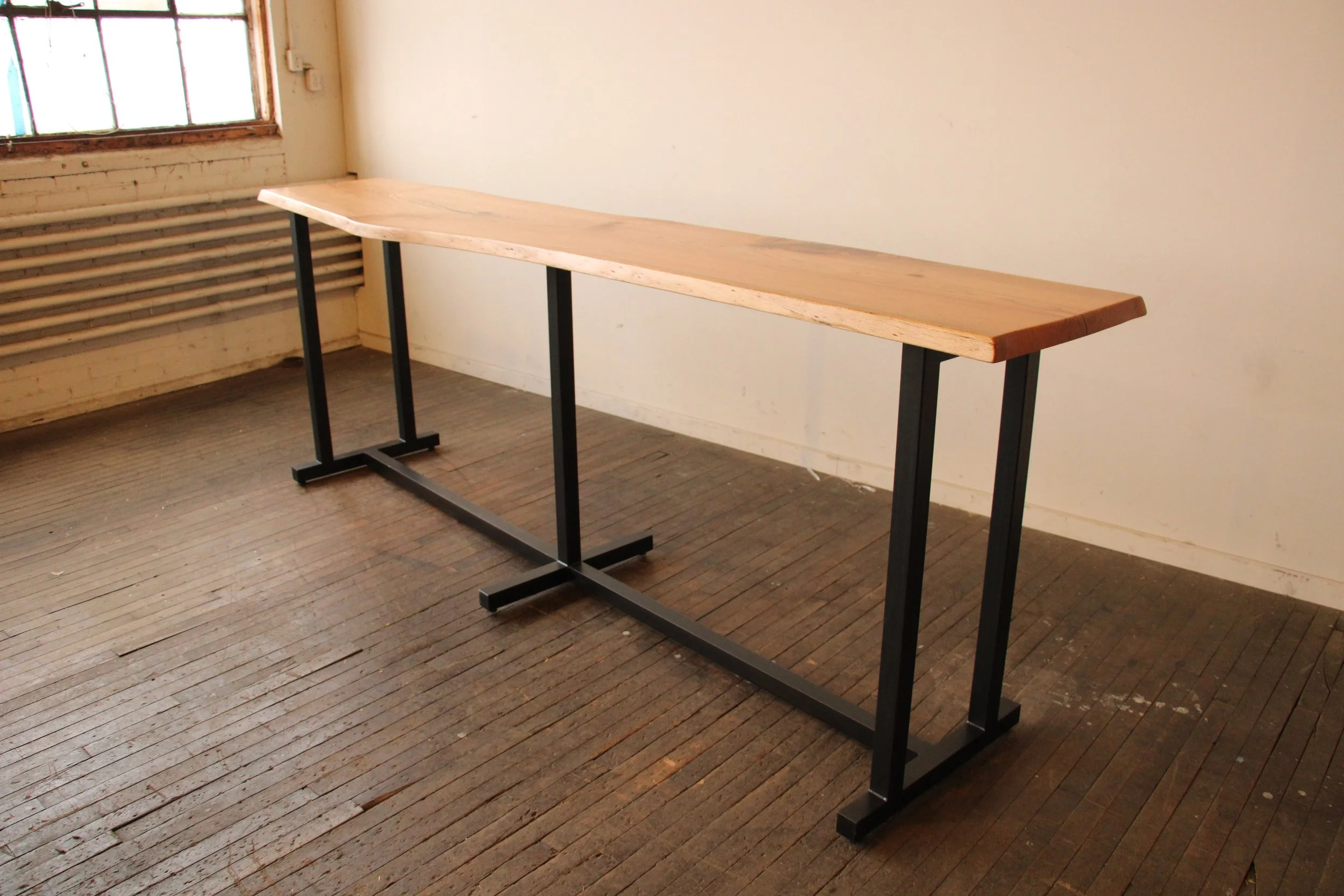
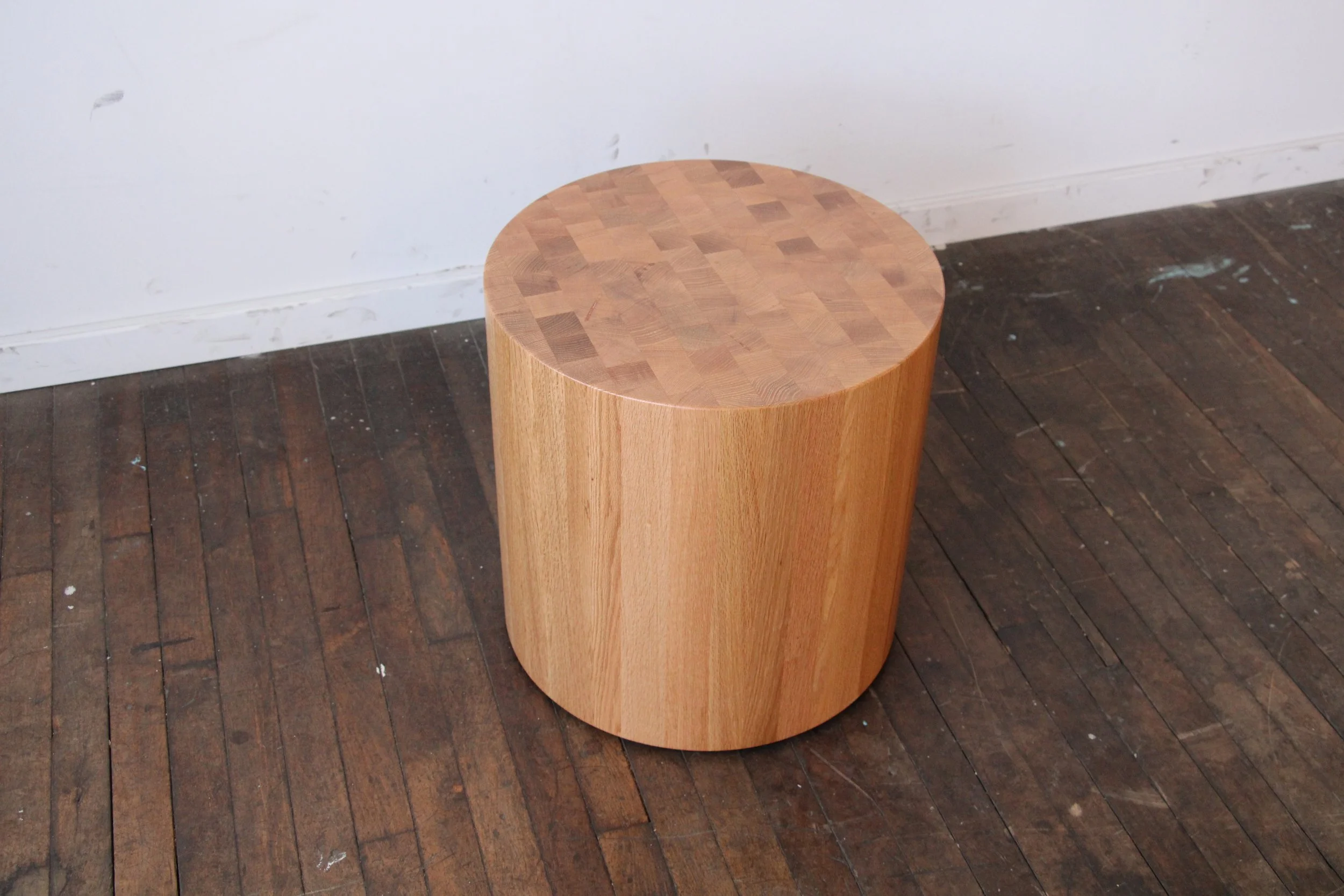
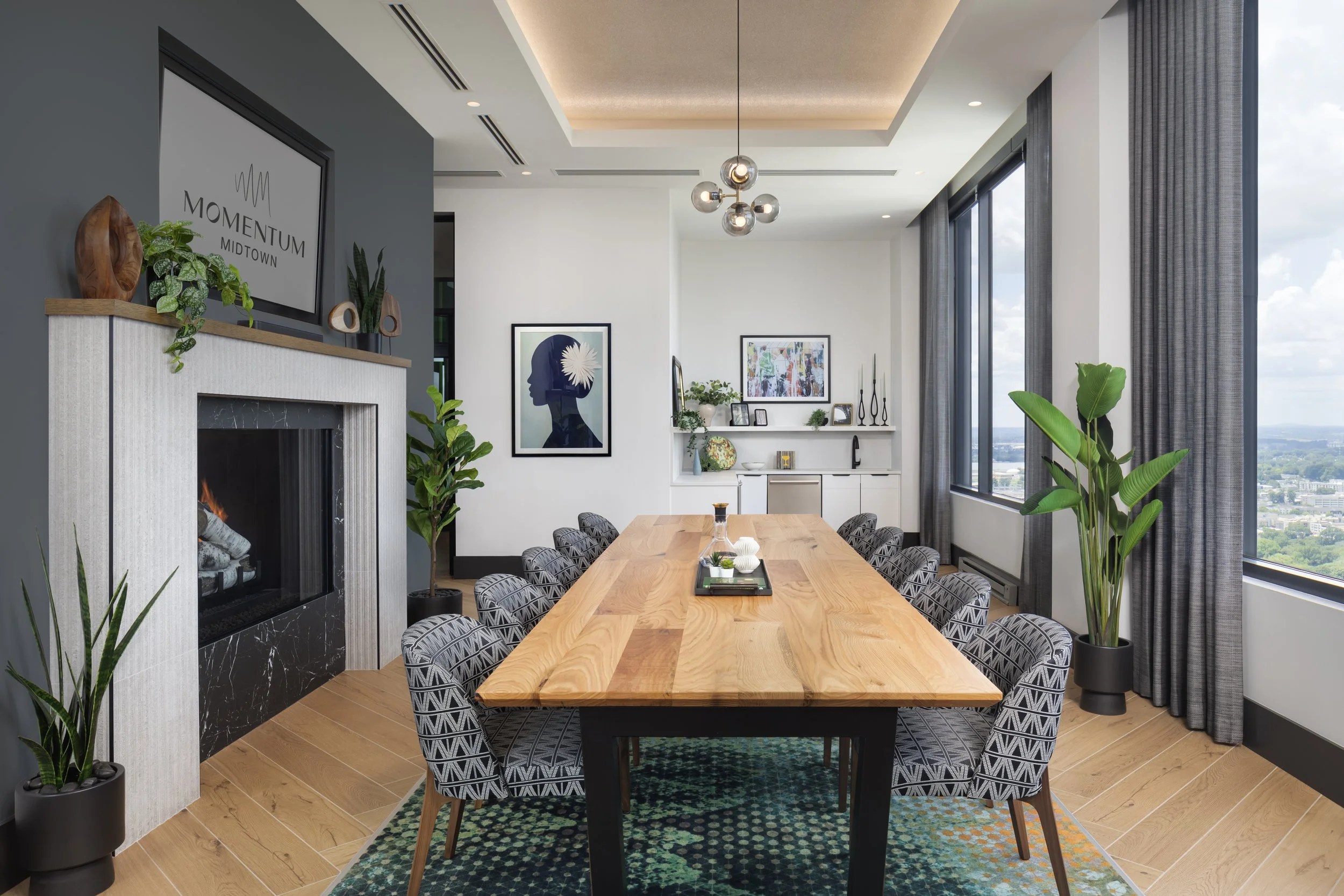
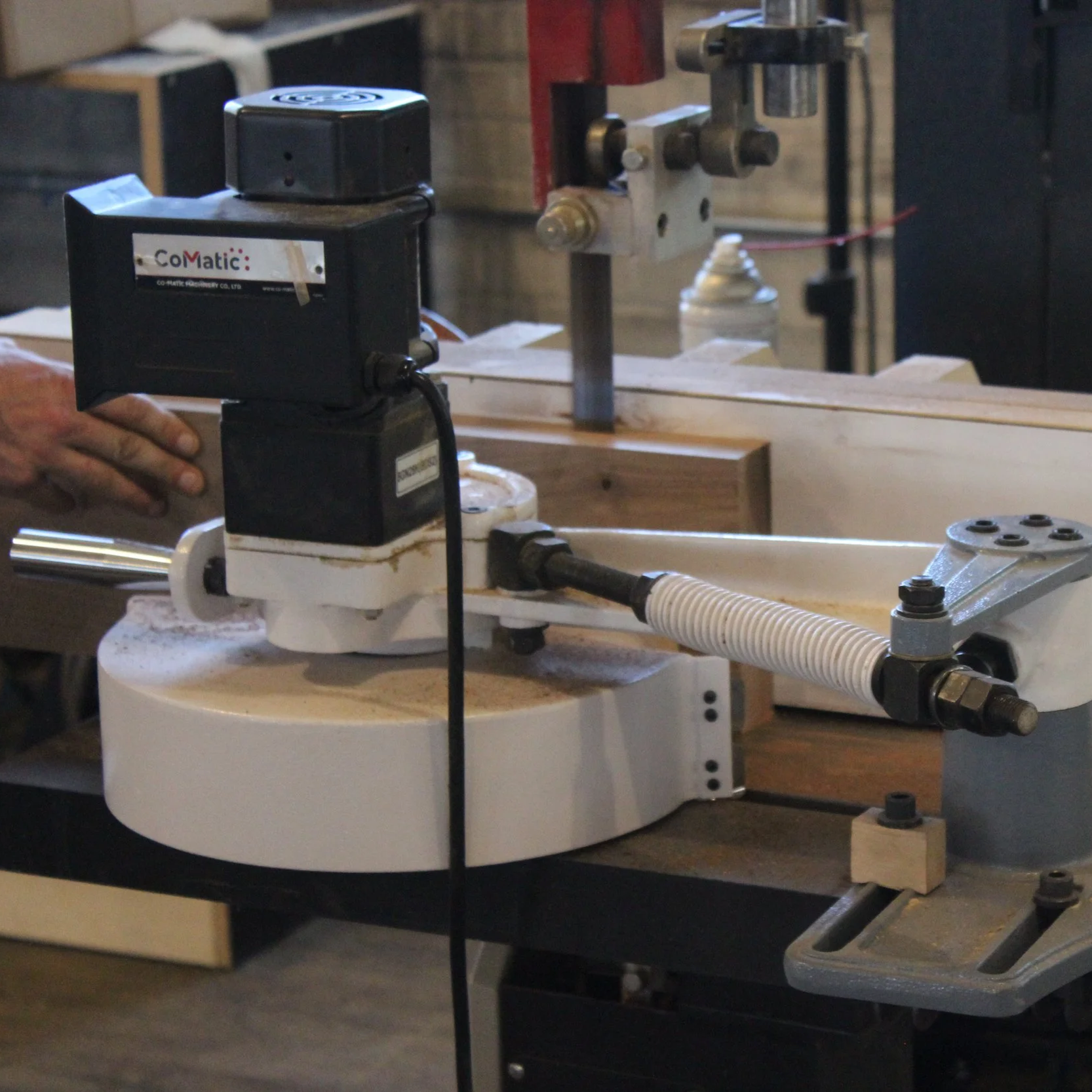
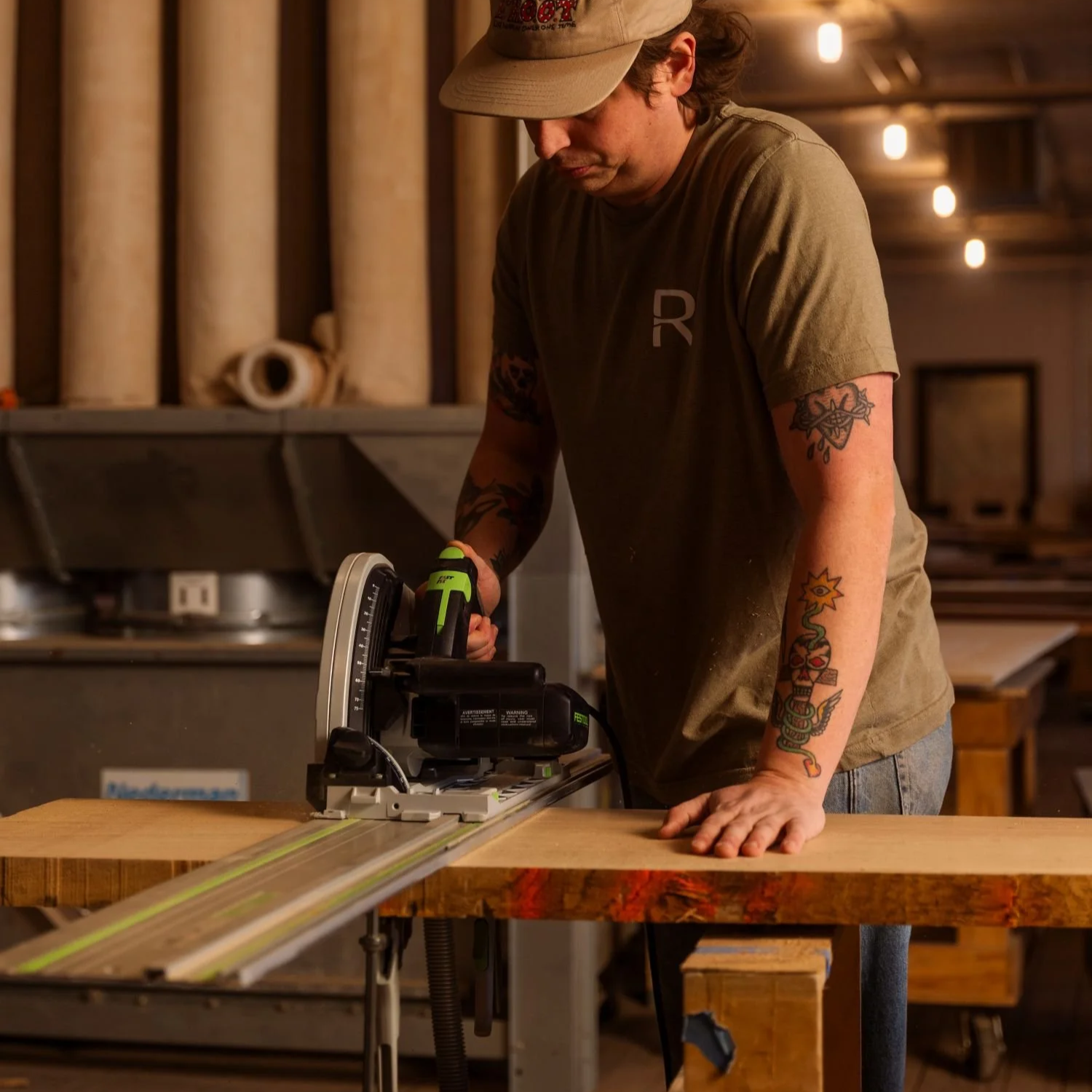
The final stage brings everything together, where each component is built with precision and intention. Because the team has guided the material from the very beginning, they’re able to execute the build in a way that fully honors its story and structure. Installation completes the process, placing a finished piece that is not only functional, but deeply connected to its origin and environment.
Intentional Design
Because we’re involved from the beginning, we’re able to get the most out of each log, preserving grain, shape, and details that might otherwise be lost.
Nothing is rushed, and nothing is treated as interchangeable. The grain, the shape, the variation, those aren’t obstacles. They’re the starting point.
It Matters

A lot of furniture today is being built to be replaced, which often costs more in the long run and not just financially. Rustbelt takes the opposite approach. As we were all reminded during the recent historic Artemis II mission, our Earth provides us with incredible resources.
By using material that already exists, trees that might otherwise be chipped or discarded, and turning them into something built to last for generations is a thoughtful way to source, design, and build. It’s a slower process, but it results in something better.
In a world of mass production, that kind of permanence stands out.
Tree to Table isn’t just about where the wood comes from. It’s about what it becomes, and what it continues to mean over time. It’s about carrying something forward, preserving where it came from, shaping it with purpose, and creating something that holds its meaning for years to come.